
 By
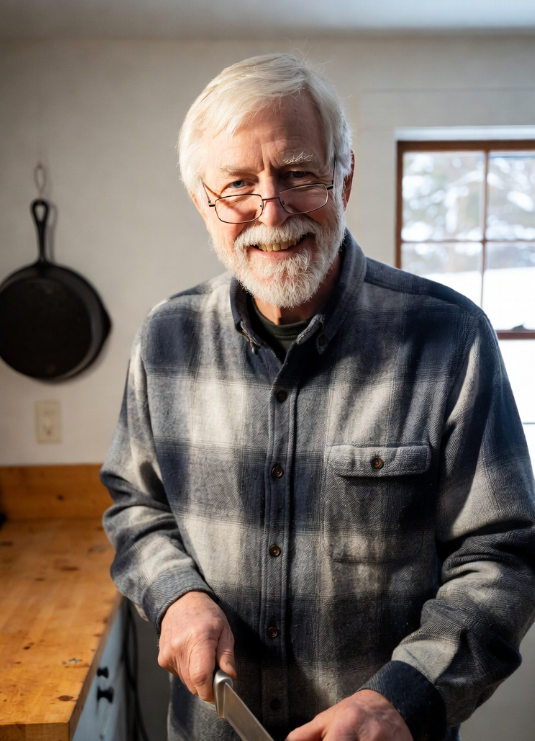
By The garden needs turning. Every April I stand at the edge of it and look at the frozen mud and dead stalks from last year's tomatoes and think: this is impossible. And every April I get the fork and start turning, and by May it looks like something, and by July it looks like Helen's garden, which is what it is, really. She planned it. She planted it. She tended it for forty years. I just do the heavy lifting and try not to kill anything.
\n\nI turned the first three rows on Monday. My left leg complained the way it always complains — shrapnel from a place I don't talk about, lodged in there since 1972, forty-four years of cohabitation between my femur and a piece of metal that was manufactured to do exactly what it did. The VA doctor says it's remarkable it doesn't cause more trouble. I tell him the shrapnel and I have an understanding.
\n\nHelen came out with coffee and one of those looks. She can tell when the leg is bad. Thirty-six years of marriage gives you a kind of X-ray vision for the other person's pain, even when that person is a Bergstrom and genetically incapable of admitting to pain. I took the coffee. I kept digging.
\n\nFor dinner I made pot roast. It's a Sunday dinner sort of dish, but it was Tuesday, and one of the luxuries of retirement is that you can eat Sunday dinner on a Tuesday and nobody calls the authorities. Chuck roast, seared hard in the Dutch oven, then onions, carrots, potatoes, a cup of beef broth, a splash of something red from the bottle Helen keeps for cooking. Low and slow, three hours, until the meat falls apart when you look at it sternly.
\n\nThe trick — and I learned this from my mother, who learned it from hers — is patience. You don't rush pot roast. You don't open the lid to check. You don't turn up the heat because you're hungry. You trust the process. The meat knows what it's doing. Your job is to leave it alone. This is also, incidentally, the best parenting advice I ever received, though I didn't get it from a pot roast.
\n\nTeddy sent a drawing in the mail. He's six and has decided that Grampy's house is his favorite place because of the dog. Not the maple candy. Not the pancakes. The dog. I'm trying not to take it personally. Frost, for his part, seems pleased with his status as the farmhouse's primary attraction.
\n\nGarden's half turned. Pot roast was good. The leg is fine. We carry on.
Pot roast isn’t a complicated meal, but it’s the right one when the garden’s half turned and the leg’s been giving you trouble and a drawing from a six-year-old arrives in the mail and makes the whole week feel worthwhile. It asks almost nothing of you except time, which is the one thing the farm always seems to have enough of in October. This is the version I’ve been making for years—closer to a New England boiled dinner than anything fancy, and better for it.
New England Boiled Dinner (Pot Roast Style)
Prep Time: 20 min | Cook Time: 3 hrs | Total Time: 3 hrs 20 min | Servings: 6
Ingredients
- 3 to 4 lb bone-in or boneless chuck roast
- 2 tablespoons vegetable oil
- 1 1/2 teaspoons kosher salt, plus more to taste
- 1/2 teaspoon black pepper
- 1 large yellow onion, cut into thick wedges
- 4 cloves garlic, smashed
- 3 large carrots, cut into 2-inch chunks
- 1 lb small Yukon Gold potatoes, halved
- 1 cup beef broth
- 1/2 cup dry red wine (a cooking red works fine)
- 2 sprigs fresh thyme (or 1/2 teaspoon dried)
- 1 bay leaf
Instructions
- Preheat and season. Preheat your oven to 300°F. Pat the chuck roast thoroughly dry with paper towels and season all sides generously with salt and pepper.
- Sear hard. Heat the oil in a large Dutch oven over medium-high heat until shimmering. Sear the roast without moving it for 4 to 5 minutes per side, until a deep brown crust forms. Don’t rush this. The crust is where the flavor lives. Remove the roast and set aside.
- Build the base. Reduce heat to medium. Add the onion wedges and garlic to the pot and cook, stirring occasionally, for 3 to 4 minutes until softened and beginning to color. Pour in the red wine and scrape up any browned bits from the bottom of the pot.
- Add and return. Pour in the beef broth. Nestle the roast back into the pot. Tuck the carrots and potatoes around it. Add the thyme and bay leaf. The liquid should come about halfway up the roast — not cover it.
- Low and slow. Cover the Dutch oven with its lid and transfer to the oven. Cook for 3 hours without opening the lid. The meat is done when it yields completely to a fork and wants to fall apart. Trust the process. The meat knows what it’s doing.
- Rest and serve. Remove from the oven. Discard the bay leaf and thyme sprigs. Let the roast rest in the pot for 10 minutes before serving. Taste the braising liquid and adjust salt as needed — it’s your sauce.
Nutrition (per serving)
Calories: 480 | Protein: 42g | Fat: 22g | Carbs: 24g | Fiber: 3g | Sodium: 520mg