
 By
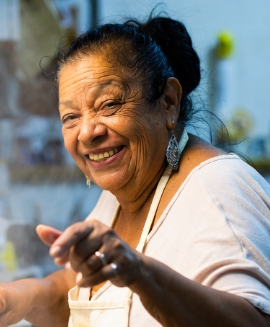
By First week of October and the hospital has entered what I call the sustained crisis mode — not the acute panic of March, not the plateauing calm of summer, but the long slow burn of autumn 2020, where the virus is endemic and the exhaustion is structural and the cafeteria keeps serving and I keep managing and the machinery of feeding people does not stop because the people do not stop needing to be fed. This is what I do. This is all I have ever done. The context changes — pandemic, no pandemic, hurricane, no hurricane — but the core function remains: make the food, serve the food, watch the people eat, make sure the eating sustains them. The rest is decoration.
Isabella is four months old and has discovered laughter. Not a smile — she has been smiling for weeks — but laughter, the full-body infant laugh that uses every muscle and produces a sound that is both ridiculous and transcendent, the sound of a human being discovering that the world is funny. She laughed at me. I was making faces through the mask — exaggerated, theatrical, the kind of faces that only a grandmother will make in a pandemic — and she laughed, and the laugh was so pure and so unexpected that I stopped making the face and just looked at her, this small person who is four months old and already knows that her abuela is funny, and I thought: this. This is why. This is why I cook. This is why I show up. This is why I drive to West Hartford every Saturday with containers of food and a mask and a heart that is simultaneously breaking and expanding. For this laugh. For this person. For this.
David called Wednesday. The restaurant is still closed. He is doing private chef work — cooking for wealthy Brooklyn families who want restaurant-quality food delivered to their brownstones, a pandemic pivot that pays the bills but does not feed the soul. He sounds restless. He sounds like me in August when I made pasteles out of season because I needed the ritual more than the result. I said, David, come for Christmas. He said, Can I? I said, We will find a way. The way will involve masks and distance and every precaution known to science, but the way will exist, because Christmas without all four children is not Christmas and I refuse.
After a week of keeping the cafeteria running on fumes and faith—and an unexpected gift of Isabella’s first real laugh breaking through every ounce of exhaustion I was carrying—what I wanted on Saturday night was something that tasted like belonging. Yuca frita con mojo is that dish for me: humble, enduring, impossible to rush, the same as it has always been no matter what the world is doing outside. It is the food I bring in containers to West Hartford, the food that says I was here, I made this, I love you without a single word. If David comes for Christmas, this will be on the table.
Yuca Frita Con Mojo
Prep Time: 20 minutes | Cook Time: 35 minutes | Total Time: 55 minutes | Servings: 6
Ingredients
- 2 lbs fresh or frozen yuca (cassava), peeled and cut into 3-inch chunks
- Vegetable oil, for frying (about 3–4 cups)
- 1 teaspoon salt, plus more for boiling water
- 1/2 teaspoon black pepper
- Flaky sea salt, for finishing
- For the mojo sauce:
- 1/3 cup olive oil
- 6 cloves garlic, minced or pressed
- 1/3 cup fresh sour orange juice (or 3 tablespoons fresh lime juice plus 2 tablespoons fresh orange juice)
- 1/2 teaspoon ground cumin
- 1/2 teaspoon dried oregano
- 1/4 teaspoon salt
- 2 tablespoons fresh flat-leaf parsley or cilantro, finely chopped
Instructions
- Boil the yuca. Place the yuca chunks in a large pot and cover with cold salted water. Bring to a boil over high heat, then reduce to a steady simmer. Cook for 20–25 minutes, until completely tender when pierced with a fork. The yuca should feel soft all the way through but still hold its shape. Drain well and let cool slightly on a wire rack or paper towel-lined tray.
- Remove the fibrous core. Once cool enough to handle, split each chunk lengthwise and pull out the thin, stringy core running through the center. Discard it. Pat the yuca dry thoroughly—moisture is the enemy of a crisp fry.
- Make the mojo. In a small saucepan over medium-low heat, warm the olive oil. Add the minced garlic and cook, stirring constantly, for 1–2 minutes until fragrant and just barely golden—do not let it brown. Remove from heat and carefully stir in the citrus juice (it will sizzle). Add the cumin, oregano, and salt. Set aside. Stir in the fresh herbs just before serving.
- Heat the oil. Pour vegetable oil into a heavy-bottomed pot or deep skillet to a depth of about 2 inches. Heat over medium-high until it reaches 350°F. If you don’t have a thermometer, drop in a small piece of yuca—it should sizzle actively and float to the surface.
- Fry in batches. Working in batches of 4–5 pieces to avoid crowding, gently lower the yuca into the hot oil. Fry for 4–5 minutes, turning once or twice, until deeply golden and crisp on the outside. Transfer to a paper towel-lined plate and season immediately with salt and pepper. Repeat with remaining pieces, allowing the oil to return to temperature between batches.
- Serve. Arrange the yuca frita on a platter and pour the warm mojo generously over the top, or serve the mojo on the side for dipping. Finish with a pinch of flaky sea salt. Serve immediately while the crust is at its best.
Nutrition (per serving)
Calories: 320 | Protein: 2g | Fat: 16g | Carbs: 44g | Fiber: 2g | Sodium: 310mg