The garden is saving me. I say this without exaggeration. The garden — the dirt, the weeds, the tomatoes, the relentless productivity of zucchini — is the thing that gets me through the mornings when Paul's hand shakes and the afternoons when his voice is tired and the evenings when I'm so exhausted from caregiving that I can barely stand.
I spend two hours every morning in the garden now. Two hours of kneeling, pulling, watering, tending. The work is physical. The results are visible. The tomatoes ripen whether Paul has ALS or not. The peas climb whether I'm crying or not. The dill grows whether the world makes sense or not.
Paul watches from the porch. He's been watching me garden for twenty-nine years, from the porch, from the chair. But the watching is different now — there's a longing in it, a wistfulness for the hands that used to help, the arms that used to carry the watering can. I see it and I don't mention it because mentioning would make it worse.
The ALS clinic visit was Wednesday. We drove to Minneapolis — I drove, always — and the team assessed him. The numbers: grip strength down twenty percent since March. Respiratory function stable (thank God — breathing is the thing that matters most, breathing is what eventually — I won't finish that sentence). Walking speed reduced but functional. Speech normal. Swallowing normal.
Dr. Andersen said, "The progression is slow." Slow. The word is relative. Slow for ALS is still faster than I want. Slow for ALS still means loss — monthly, measurable, irreversible loss. But slow is better than fast, and slow means more time, and time is the only currency that matters now.
I made a July dinner: fresh pasta with garden tomatoes. Cherry tomatoes, halved, sautéed with garlic and olive oil and basil, tossed with spaghetti and Parmesan. The tomatoes burst in the pan and released their juice and the kitchen smelled like summer and the meal took twenty minutes and Paul ate it one-handed with a fork, twirling the pasta carefully, and it was good. It was simple and good.
Sophie called. She's working as a CNA again this summer, at the same nursing home. She said, "Grandma, I had a patient with ALS this week." She said it carefully, knowing the weight. I said, "How was it?" She said, "Hard. But I was gentle with him. I thought about Grandpa." I said, "That's good, Sophie. That's exactly right." She said, "I held his hand while the aide changed his bed. He couldn't squeeze back but I think he knew I was there." I said, "He knew."
She knows. At twenty, Sophie knows what it took me ten years to learn: presence is the medicine. Not the drugs, not the equipment, not the plan. Presence. Be in the room. All of you.
The garden is growing. The numbers are declining. The presence is what holds.
That July dinner — cherry tomatoes bursting in the pan, the kitchen smelling like summer, Paul twirling pasta carefully with one hand — was exactly the kind of meal this garden has been teaching me to make: honest, quick, and built from whatever is ripe and ready. Spaghetti Pomodoro is the recipe I reach for when I want the tomatoes to be the whole point, when I don’t have the energy for anything complicated but still want the table to feel like care. If you have twenty minutes and a handful of cherry tomatoes, this is it.
Spaghetti Pomodoro
Prep Time: 5 minutes | Cook Time: 15 minutes | Total Time: 20 minutes | Servings: 4
Ingredients
- 12 oz spaghetti
- 3 tablespoons extra-virgin olive oil
- 4 cloves garlic, thinly sliced
- 2 cups cherry tomatoes, halved
- 1/4 teaspoon crushed red pepper flakes (optional)
- 1/2 teaspoon kosher salt, plus more for pasta water
- 1/4 teaspoon freshly ground black pepper
- 1/3 cup fresh basil leaves, torn
- 1/2 cup freshly grated Parmesan cheese, plus more for serving
- 1/4 cup reserved pasta water
Instructions
- Cook the pasta. Bring a large pot of heavily salted water to a boil. Cook spaghetti according to package directions until al dente. Before draining, reserve 1/4 cup of pasta cooking water, then drain and set aside.
- Sauté the garlic. While the pasta cooks, warm olive oil in a large skillet over medium heat. Add the sliced garlic and cook, stirring often, for 1—2 minutes until fragrant and just beginning to turn golden. Do not let it brown.
- Blister the tomatoes. Add the halved cherry tomatoes to the skillet along with the red pepper flakes, salt, and black pepper. Cook over medium-high heat for 5—7 minutes, stirring occasionally, until the tomatoes have softened and released their juices, with some bursting naturally into a light sauce.
- Combine pasta and sauce. Add the drained spaghetti to the skillet. Pour in the reserved pasta water a little at a time and toss everything together over medium heat for 1—2 minutes, until the sauce clings to the noodles.
- Finish and serve. Remove from heat and fold in the torn basil and Parmesan. Taste and adjust salt as needed. Serve immediately with extra Parmesan at the table.
Nutrition (per serving)
Calories: 430 | Protein: 14g | Fat: 13g | Carbs: 64g | Fiber: 4g | Sodium: 390mg
About the cook who shared this
Linda Johansson
Week 120 of Linda’s 30-year story
· Duluth, Minnesota
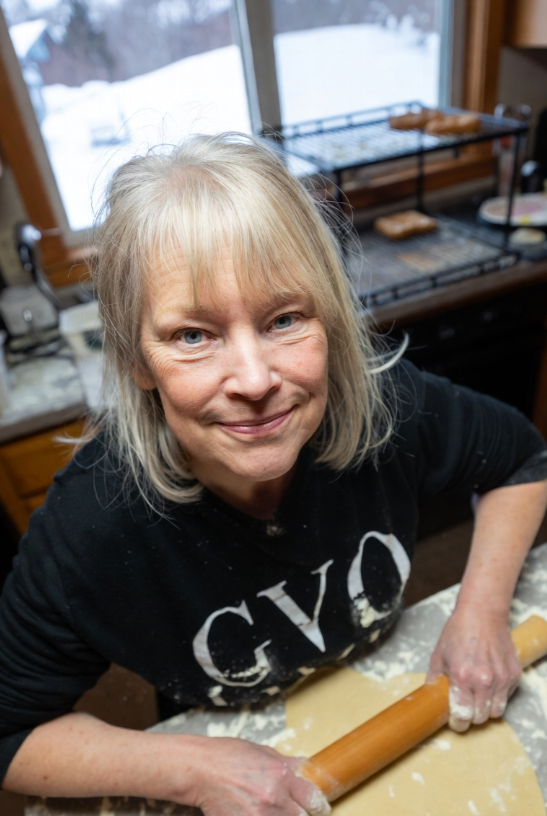
Linda is a sixty-three-year-old retired nurse from Duluth, Minnesota, living alone in the house where she raised her children and said goodbye to her husband. She lost Paul to ALS in 2020 after two years of watching the kindest man she'd ever known lose everything but his dignity. She cooks Scandinavian comfort food and Minnesota hotdish and the pot roast Paul loved, and she sets two places at the table out of habit because it makes her feel less alone. Every recipe she writes is a person she's loved.
