
 By
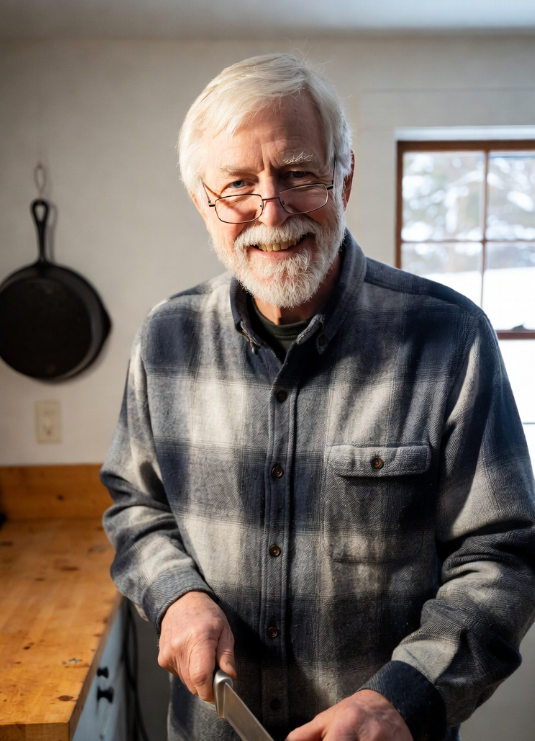
By Last week of February. The thaw is holding — thirty-five during the day, twenty at night — and the freeze-thaw cycle is hinting at maple season. Not yet. But the trees know. The sap is stirring deep in the wood, invisible, patient, waiting for the signal that only the trees understand. I checked the sugarhouse on Tuesday. Equipment clean. Buckets stacked. Evaporator pan scrubbed. Everything is waiting, the way everything waits at the end of winter: tense, coiled, ready to spring.
I made navy bean soup. The winter standby, the last-resort-of-February soup that asks nothing of you except dried beans, a ham hock, an onion, and the willingness to wait six hours while the house fills with the smell of something slow and good. The beans dissolve into the broth. The ham hock gives up its smoky soul. The soup thickens into something that's more meal than liquid, more hug than food. I eat it with bread and I don't think about anything except the next spoonful, which is all February asks of you: one spoonful at a time, one day at a time, until March comes.
Helen reorganized the pantry. This is her February project — the annual inventory of what we have, what we need, what expired while we weren't looking. The canned tomatoes from last summer are holding well — eighteen jars left, enough to get us to July. The maple syrup is at two jars, which is tight but survivable until the new batch in March. The pickles are gone because I ate the last jar in January without confessing, a crime that Helen discovered this week and addressed with the disappointed silence of a woman who has been married to a pickle thief for thirty-eight years and is no longer surprised but remains unimpressed.
David called to say James walked into a wall. Not metaphorically — literally. He's seventeen months old and walks with the determination of someone who believes walls should yield, and the wall disagreed. A bruise on the forehead. Tears. Recovery time: four minutes. David said, "He gets the stubbornness from your side." I said, "He gets the wall-walking from yours." We agreed to blame Karen's family and moved on.
March starts Thursday. The sap will run soon. The sugarhouse will wake. The buckets will hang. The fire will burn. And I'll stand there, as I've stood every March for fifty years, and listen to the drip and watch the steam and know that winter lost. Again. As it always does. As it always will.
Bean soup. Pickle theft exposed. March coming. The maples are ready. So am I.
This is the recipe that lives in the same drawer as the navy bean soup — the one I reach for when the beans are soaked and the house needs filling with something slow and good. Ribollita is just the Italian word for what I’ve been doing every February for decades: throwing beans and whatever’s left in the pantry into a pot and letting time do the work. With Helen’s canned tomatoes holding strong at eighteen jars and the bread going stale on the counter, this was the obvious call. It thickens the way February thickens into March — slowly, then all at once.
Ribollita Tuscan Vegetable Stew
Prep Time: 20 minutes | Cook Time: 1 hour 30 minutes | Total Time: 1 hour 50 minutes | Servings: 8
Ingredients
- 1 pound dried navy beans (or cannellini beans), soaked overnight and drained
- 1/4 cup olive oil, plus more for drizzling
- 1 large yellow onion, diced
- 3 cloves garlic, minced
- 2 medium carrots, peeled and diced
- 2 stalks celery, diced
- 1 can (14 ounces) crushed tomatoes or 2 cups home-canned tomatoes
- 1 smoked ham hock
- 8 cups chicken broth or water
- 1 bunch lacinato kale, stems removed and leaves roughly chopped
- 1 sprig fresh rosemary
- 2 bay leaves
- 1 teaspoon kosher salt, plus more to taste
- 1/2 teaspoon black pepper
- 1/4 teaspoon red pepper flakes
- 4 thick slices day-old crusty bread, torn into pieces
- Grated Parmesan cheese, for serving
Instructions
- Build the base. Heat 1/4 cup olive oil in a large Dutch oven over medium heat. Add the onion, carrots, and celery. Cook, stirring occasionally, until softened and just beginning to brown, about 8 to 10 minutes. Add the garlic and cook 1 minute more.
- Add the beans and liquid. Stir in the drained beans, crushed tomatoes, ham hock, broth, rosemary, bay leaves, salt, pepper, and red pepper flakes. Bring to a boil, then reduce heat to low. Cover and simmer for 1 hour, stirring occasionally, until the beans are very tender and beginning to break apart.
- Thicken the stew. Remove the ham hock and set aside to cool slightly. Use a wooden spoon or potato masher to crush about a third of the beans against the side of the pot — this is what gives the soup its body. Pull the meat from the ham hock, shred it, and return it to the pot. Discard the bone.
- Add the greens and bread. Stir in the chopped kale and cook until wilted, about 5 minutes. Add the torn bread pieces and stir until the bread absorbs the broth and the stew thickens into something more meal than liquid, about 10 minutes. Remove the rosemary sprig and bay leaves.
- Rest and serve. Let the ribollita sit off heat for 10 minutes — it thickens as it rests. Ladle into bowls, drizzle with olive oil, and top with Parmesan. Serve with more bread if you’ve got it.
Nutrition (per serving)
Calories: 340 | Protein: 19g | Fat: 10g | Carbs: 44g | Fiber: 11g | Sodium: 680mg