
 By
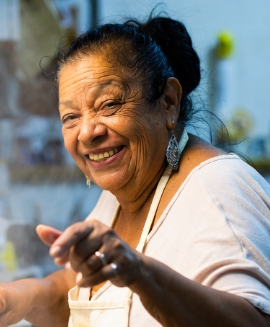
By Two weeks into the pandemic and the new normal is not normal — it is a distortion of normal, a funhouse mirror version of life where everything looks almost right but nothing is. I go to work. I wear a mask now — we all wear masks, the hospital provided them, the elastic bands behind my ears that leave marks I can still feel at midnight. I feed patients who may have the virus. I feed nurses who are exhausted. I feed doctors who are scared even though doctors are not supposed to be scared, even though the whole architecture of a hospital depends on the illusion that someone knows what is happening, and right now nobody knows what is happening.
Sunday dinner is canceled. I say this the way you say a church has been demolished — with grief, with disbelief, with the understanding that something load-bearing has been removed and the structure may not hold. Sunday dinner — the non-negotiable, the sacred, the twelve-seat table that holds sixteen — is empty. Miguel Jr. and Jenny are in West Hartford, isolated. Rosa and Carlos are in New Haven, isolated. David is in Brooklyn, alone in his apartment. Sofía is here but careful, keeping distance because she is studying to be a nurse and she understands contamination in a way that the rest of us are only beginning to learn.
I cook Sunday dinner anyway. I cook for two — me and Eduardo — and I make the full menu: pernil, arroz con gandules, tostones, ensalada de coditos, flan. Eduardo looks at the table set for two with food for twelve and says, Carmen. I say, The menu does not change. The table changes. The menu does not change. He does not argue. He sits down. We eat together in the quiet of a house that should be loud, and the quiet is an injury, and the food is the bandage, and the bandage is not enough but it is what I have.
I FaceTime David on Sunday evening. He is in his Brooklyn kitchen, alone, making arroz con pollo by himself. I watch him through the screen — my son, twenty-four years old, a cook by profession and by blood, standing in a kitchen that is not my kitchen and making food that tastes like my food because I taught him and the teaching is permanent even when the teacher is 1,700 miles away on a phone screen. He holds up the plate. I say, More garlic. He laughs. The laugh is the same through the screen. The laugh is the thing that survives the distance.
I cannot make arroz con gandules disappear from a Sunday table that has only two seats, and I cannot make pernil small enough to not feel like abundance, and I have learned that I do not want to. But on the weeks when the hospital has taken everything and I come home with the marks of the mask still on my ears and Eduardo is already asleep by seven, this Pressure-Cooker Spanish Chili is the thing I reach for—it carries the garlic, the olives, the paprika, the DNA of the food I was raised on, and it comes together fast enough that I can still eat something real before the week starts again. David would tell me to add more garlic. He is right. I always add more garlic.
Pressure-Cooker Spanish Chili
Prep Time: 15 min | Cook Time: 25 min | Total Time: 40 min | Servings: 6
Ingredients
- 1 lb ground beef (or fresh Spanish chorizo, casings removed)
- 1 medium yellow onion, chopped
- 1 green bell pepper, seeded and chopped
- 4 cloves garlic, minced
- 1 can (14.5 oz) diced tomatoes, undrained
- 1 can (15 oz) red kidney beans, drained and rinsed
- 1 can (15 oz) black beans, drained and rinsed
- 1 can (8 oz) tomato sauce
- 1 cup beef broth
- 1/2 cup pimiento-stuffed green olives, sliced
- 1 1/2 tsp smoked paprika
- 1 tsp ground cumin
- 1 tsp dried oregano
- 1/2 tsp ground coriander
- 1/2 tsp salt, plus more to taste
- 1/4 tsp black pepper
- 1/4 tsp crushed red pepper flakes (optional)
- 1 tbsp olive oil
Instructions
- Sauté the aromatics. Select the sauté function on your electric pressure cooker and add olive oil. Once shimmering, add the onion and bell pepper and cook, stirring occasionally, until softened, about 4 minutes. Add the garlic and cook 1 minute more until fragrant.
- Brown the meat. Add the ground beef (or chorizo) and cook, breaking it up with a wooden spoon, until no longer pink, about 5 minutes. Drain any excess fat.
- Build the base. Stir in the smoked paprika, cumin, oregano, coriander, salt, black pepper, and red pepper flakes. Cook 30 seconds, stirring constantly, until the spices are fragrant and lightly toasted.
- Add the liquids and remaining ingredients. Pour in the diced tomatoes, tomato sauce, and beef broth. Stir in both cans of beans and the sliced green olives. Scrape up any browned bits from the bottom of the pot.
- Pressure cook. Secure the lid and set the valve to the sealing position. Cook on high pressure for 15 minutes. When the cycle completes, allow a natural pressure release for 10 minutes, then carefully switch the valve to venting to release any remaining steam.
- Finish and serve. Remove the lid, stir the chili, and taste for salt. Let it sit on the warm setting for 5 minutes—it will thicken slightly. Serve in deep bowls with crusty bread, white rice, or tostones alongside.
Nutrition (per serving)
Calories: 340 | Protein: 26g | Fat: 13g | Carbs: 28g | Fiber: 8g | Sodium: 710mg