
 By
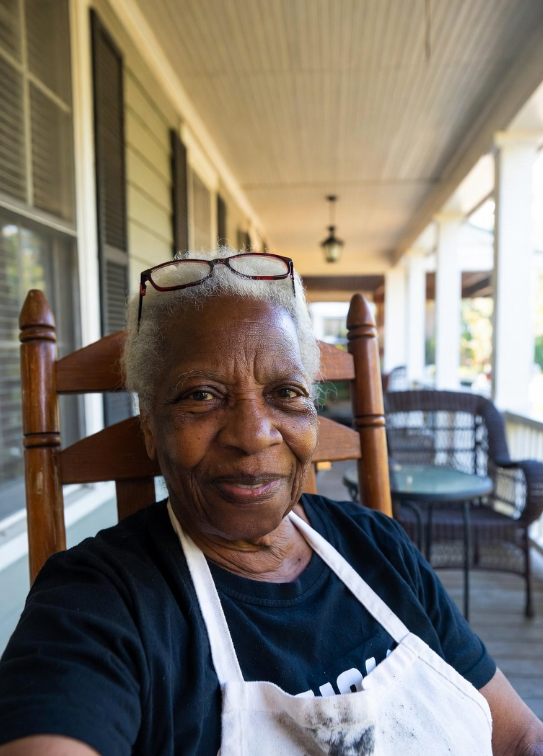
By The garden is winding down. October in Savannah doesn't kill the garden the way October kills gardens up north — we don't get frost until late November most years, and the peppers and herbs keep going well into fall — but the tomatoes are finished. The last Cherokee Purple came off the vine Wednesday, smaller than the summer ones, less dramatic, but still tasting like the vine and the soil and the six months of sun that made it. I held it in my hand and I said, "Thank you for the season," which is what I say to every last tomato because you should always thank the thing that feeds you before it goes.
I'm pulling up the spent plants and turning the soil for the fall garden. Collard greens go in now — the fall planting, which will survive the mild Savannah winter and produce all the way into March. Turnip greens too, and kale, and mustard greens. Winter greens. The greens that sustained Black families through centuries of cold and hunger and scarcity. The greens that Hattie Pearl grew in a garden smaller than a parking spot and fed a family of eight with. The greens that taught me that the earth provides if you let it, that abundance doesn't require a big garden, just a faithful one.
Monique came by to help with the planting. She and James are settled into married life the way newlyweds settle — discovering each other's habits, negotiating the bathroom schedule, learning that love is not just the wedding but the Wednesday. She's still teaching at Hodge, still in the classroom where my kitchen used to feed her students, and she's started a garden program with her third-graders. "They're growing lettuce," she said. I said, "Lettuce is a good start. Next year, teach them tomatoes. Tomatoes teach patience." She said, "Granny, they're eight." I said, "Exactly. Start them young."
Made a fall vegetable soup tonight — onions, carrots, celery, potatoes, the last garden tomatoes, chicken broth, herbs. The soup that bridges summer and fall, the soup that uses up what the garden gave and prepares the belly for what the winter will bring. Simple, warm, honest food. The kind of food that October requires.
Now go on and feed somebody.
The soup simmered on the stove while I wrote this, and when I went looking for the recipe that felt right to share alongside it, I kept coming back to this bowl — because it holds the same logic as that soup: use what you have, layer it with care, and let the egg on top remind you that something simple can still feel like an occasion. Monique asked me before she left if I had anything written down she could take home, something easy for a Wednesday night when the classroom has worn her out. This is that recipe. Humble ingredients, a little patience at the poaching step, and the kind of warm that settles you.
Poached Egg Buddha Bowls
Prep Time: 10 min | Cook Time: 20 min | Total Time: 30 min | Servings: 2
Ingredients
- 1 cup cooked farro or brown rice
- 1 cup canned chickpeas, drained and rinsed
- 1 medium sweet potato, peeled and diced into 3/4-inch cubes
- 1 cup fresh kale, stems removed, roughly torn
- 1/2 cup shredded red cabbage
- 1/2 cup cherry tomatoes, halved
- 2 large eggs
- 1 tablespoon olive oil
- 1/2 teaspoon smoked paprika
- 1/2 teaspoon garlic powder
- Salt and black pepper to taste
- 2 tablespoons tahini
- 1 tablespoon lemon juice
- 1 tablespoon warm water
- 1 teaspoon honey or maple syrup
- 1 clove garlic, minced
Instructions
- Roast the sweet potato. Preheat oven to 400°F. Toss diced sweet potato with olive oil, smoked paprika, garlic powder, salt, and pepper. Spread on a baking sheet and roast 18–20 minutes, flipping once halfway through, until tender and lightly caramelized at the edges.
- Warm the chickpeas. In the last 5 minutes of roasting, push the sweet potato to one side and add the chickpeas to the pan. Let them roast alongside until slightly crisp.
- Make the tahini dressing. Whisk together tahini, lemon juice, warm water, honey, and minced garlic in a small bowl until smooth. Add a pinch of salt. Thin with additional warm water if needed to reach a drizzleable consistency.
- Massage the kale. Place torn kale in a bowl. Drizzle with a small amount of olive oil and a pinch of salt, then massage with your hands for 1–2 minutes until softened and dark green.
- Poach the eggs. Bring a medium saucepan of water to a gentle simmer over medium-low heat. Add a splash of white vinegar. Crack each egg into a small cup. Stir the water to create a slow swirl, then gently slide each egg into the center. Poach 3–4 minutes for a runny yolk, or 5 minutes for a set yolk. Remove with a slotted spoon and blot dry.
- Assemble the bowls. Divide the cooked farro or brown rice between two bowls. Arrange the roasted sweet potato, chickpeas, massaged kale, red cabbage, and cherry tomatoes in sections over the grain. Lay a poached egg on top of each bowl. Drizzle generously with tahini dressing and finish with a crack of black pepper.
Nutrition (per serving)
Calories: 480 | Protein: 20g | Fat: 18g | Carbs: 62g | Fiber: 11g | Sodium: 390mg