
← Back to Blog

Pasta e Ceci (Italian Chickpea Soup) — For the Weeks That Finally Ask for Something Warm

Fall in Houston. The temperature dropped to seventy-eight degrees and everyone acted like it was a snow day. People were wearing jackets. Actual jackets. In seventy-eight-degree weather. I love this city. Ma's blood pressure is stabilizing. 138 over 84 this week. I've reduced my daily visits to every other day, which is a compromise between what she wants (never) and what I want (every hour). She's cooking again — made me sit down on Saturday for pho that was, no exaggeration, the best she's made in months. Maybe the medication is actually making her feel better. Maybe she's cooking harder to prove she doesn't need it. Either way, the pho was transcendent. Kids were with me this week. Tyler's shop class project — a birdhouse — is done and it's actually impressive. Dovetail joints, sanded smooth, stained. The kid has hands. He gets that from me, though the patience he doesn't. He got that from Christine. Emma is running for eighth-grade student council secretary. She wrote her speech and read it to me at the dinner table and it was better than anything I could've written at thirty, let alone twelve. Lily is obsessed with a book series about cats who live in the woods and have wars, which I don't understand but support because she's reading and reading is good. This week's cooking: I made a massive pot of bo kho — Vietnamese beef stew. This is fall food, hearty and warm, and the weather finally justifies making it. Chuck roast cut into chunks, browned hard in a pot, then braised with lemongrass, star anise, cinnamon, carrots, potatoes, and tomato. The broth is red-orange from annatto oil and the kitchen smells like a Vietnamese grandmother's house on a cool evening. Bo kho is versatile. You can eat it with rice, with baguette (the French influence in Vietnamese cooking — colonialism was evil but the bread situation worked out), or with egg noodles. The kids ate it three different ways over three nights. Tyler: with baguette, dipping and soaking. Emma: with rice noodles, like a soup. Lily: just the broth and bread, no beef chunks, because she's decided she doesn't like "big pieces of meat," which is a phase I'm choosing not to fight. I made enough for eight servings and brought two to Ma. She said the lemongrass was "too strong." She's recovering. Her critical faculties are fully intact.

The bo kho fed us for three nights and made the kitchen smell like everything was going to be fine — and it was. But it got me thinking about what I reach for when the season finally turns and you just want something in a pot, low and slow, that does the work while you decompress. Pasta e ceci is that dish for me when the pantry’s the starting point instead of the butcher. It’s humble the way Ma’s cooking is humble — a handful of good ingredients pushed until they’re something more than the sum of their parts. If your week called for a pot of something deeply warm and you’re ready for round two, this is where I’d point you.

Pasta e Ceci (Italian Chickpea Soup)

Prep Time: 15 min | Cook Time: 40 min | Total Time: 55 min | Servings: 6

Ingredients

  • 3 tablespoons extra-virgin olive oil, plus more for drizzling
  • 1 medium yellow onion, finely diced
  • 4 cloves garlic, minced
  • 2 sprigs fresh rosemary
  • 1/4 teaspoon red pepper flakes
  • 2 tablespoons tomato paste
  • 1 (14 oz) can diced tomatoes
  • 2 (15 oz) cans chickpeas, drained and rinsed
  • 4 cups low-sodium chicken or vegetable broth
  • 1 cup water
  • 1 cup ditalini or small elbow pasta
  • 1 Parmesan rind (optional but worth it)
  • Salt and black pepper to taste
  • Fresh flat-leaf parsley, chopped, for serving
  • Grated Parmesan, for serving

Instructions

  1. Build the base. Heat olive oil in a large heavy-bottomed pot or Dutch oven over medium heat. Add the onion and a pinch of salt and cook, stirring occasionally, until softened and translucent, about 6–8 minutes. Add the garlic, rosemary sprigs, and red pepper flakes and cook 1 minute more until fragrant.
  2. Deepen the flavor. Push the aromatics to the side and add the tomato paste directly to the bare pot. Let it cook undisturbed for 1–2 minutes until it darkens slightly, then stir it into the onion mixture. Add the canned diced tomatoes and cook, stirring, for another 3 minutes.
  3. Add the chickpeas. Add the chickpeas to the pot. Using a wooden spoon or the back of a ladle, mash roughly one-third of the chickpeas directly in the pot against the side — this thickens the broth without any blending. Stir to combine everything.
  4. Simmer the soup. Pour in the broth and water. Add the Parmesan rind if using. Bring to a boil, then reduce heat to a steady simmer. Cook uncovered for 15 minutes to let the flavors come together. Remove the rosemary sprigs and Parmesan rind.
  5. Cook the pasta. Add the pasta directly to the pot. Cook, stirring frequently so the pasta doesn’t stick to the bottom, until just al dente — about 8–10 minutes depending on the pasta shape. The soup will thicken considerably as the starch releases; add a splash of water or broth if it gets too dense.
  6. Taste and finish. Season generously with salt and black pepper. Ladle into bowls, top with chopped parsley and grated Parmesan, and finish with a drizzle of good olive oil. Serve immediately — the pasta will continue to absorb liquid as it sits, so leftovers may need a little broth added when reheating.

Nutrition (per serving)

Calories: 310 | Protein: 13g | Fat: 9g | Carbs: 45g | Fiber: 8g | Sodium: 560mg

Bobby Tran
About the cook who shared this
Bobby Tran
Week 29 of Bobby’s 30-year story · Houston, Texas
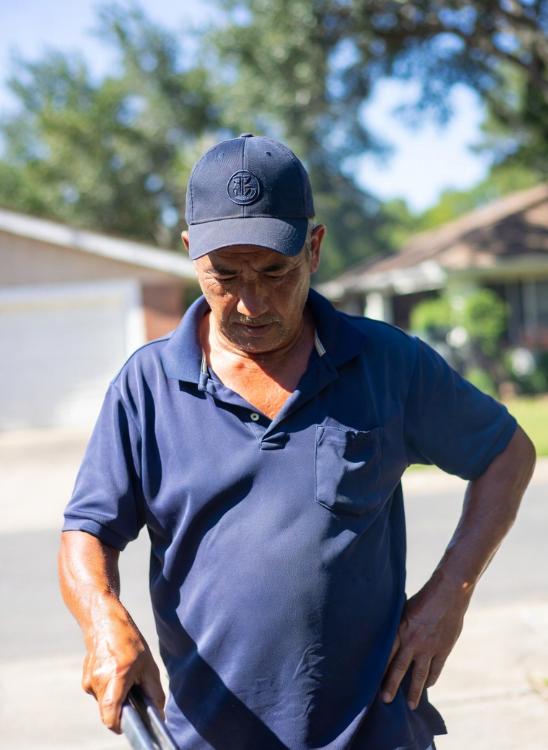
Bobby Tran was born in a refugee camp in Arkansas to parents who fled Saigon with nothing. He grew up in Houston straddling two worlds — Vietnamese at home, Texan everywhere else — and learned to cook from his mother's pho and a neighbor's BBQ smoker. He's a former shrimper, a recovering alcoholic, a divorced dad of three, and the guy who marinates brisket in fish sauce and lemongrass because he doesn't believe in borders, especially when it comes to flavor.

How Would You Spin It?

Put your own twist on this recipe — what would you add, remove, or swap?