
 By
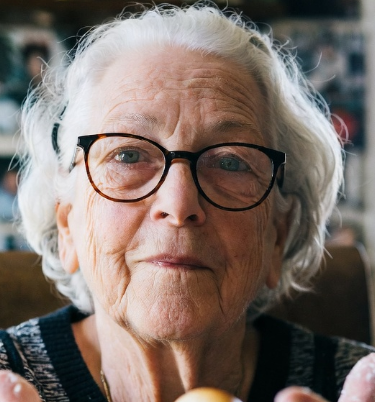
By The last day. June. After forty-three years, I taught my last class at Oceanside High School. I wore the blue dress — the one I wear on first days and last days, the dress that says: this matters. This day is not ordinary. This day is the bookend.
The school held an assembly. I asked for no fanfare. The school ignored my request, which is appropriate because I have spent forty-three years ignoring students' requests to skip homework, and turnabout is fair play. Former students came — dozens of them, filling the gymnasium, including three published authors and a Pulitzer finalist, all of whom credit me with teaching them to read and write with care. The Pulitzer finalist — a woman named Sarah who was in my class in 1996 and who writes novels about families and food and the things that bind and break them — stood at the microphone and said, "Mrs. Feldman taught me that every sentence is a meal. You prepare it with care. You serve it with attention. You hope it nourishes." I did not cry. I was saving the crying.
I gave a short speech. I said: "I have spent forty-three years in this building trying to convince you that books matter. I hope some of you believe me. For those of you who don't: the books will wait. They are patient. They will still be there when you're ready." I said: "Thank you for giving me a reason to get up every morning." I said: "Now if you'll excuse me, I have brisket to make." The room laughed. I left the gymnasium. I walked to the parking lot. I got in the car. I drove home. And then I cried. For two hours. In the kitchen. Standing at the stove. The tears fell into a pot of chicken soup that I had started that morning because I knew — I knew with the certainty of a woman who has been cooking through every crisis for sixty-five years — that the soup would be needed.
Marvin did not understand why I was crying. He said, "Ruthie, what's wrong?" I said, "I'm happy, Marv." He said, "Good." And I was happy. Devastated and happy and empty and full and done and beginning, all at once, all in the same kitchen where I have cooked for forty years, where the stove is warm and the soup is simmering and the dress is blue and the teacher has come home.
I made brisket. Because that is what I said I would do. And the brisket was perfect. It is always perfect. Some things endure. The classroom is behind me. The kitchen is ahead. The brisket is here.
I promised the room I was going home to make brisket, and I kept that promise — but the recipe I keep coming back to, the one that has been waiting in my kitchen through every milestone and heartbreak and ordinary Tuesday for as long as I can remember, is this one: beef pulled tender over low heat, folded into thick egg noodles, swimming in a broth that tastes like someone has been paying attention. It is not brisket. It is something older and quieter than brisket. Marvin calls it my “you’ll be okay” recipe, and on the last day of the longest chapter of my life, I needed exactly that.
Grandma's Beef and Noodles
Prep Time: 20 minutes | Cook Time: 2 hours 30 minutes | Total Time: 2 hours 50 minutes | Servings: 6
Ingredients
- 2 lbs beef chuck roast, cut into 2-inch pieces
- 1 tablespoon vegetable oil
- 1 medium yellow onion, diced
- 3 cloves garlic, minced
- 4 cups beef broth
- 2 cups water
- 1 teaspoon Worcestershire sauce
- 1 teaspoon salt, plus more to taste
- 1/2 teaspoon black pepper
- 1/2 teaspoon dried thyme
- 1 bay leaf
- 12 oz wide egg noodles
- 2 tablespoons cornstarch
- 2 tablespoons cold water
- 2 tablespoons fresh parsley, chopped (optional, for serving)
Instructions
- Brown the beef. Heat oil in a large Dutch oven or heavy-bottomed pot over medium-high heat. Working in batches, sear the beef pieces on all sides until deeply browned, about 3–4 minutes per side. Transfer browned beef to a plate and set aside.
- Sauté the aromatics. Reduce heat to medium. Add the diced onion to the pot and cook, stirring occasionally, until softened, about 4 minutes. Add garlic and cook 1 minute more.
- Build the broth. Return the beef to the pot. Pour in the beef broth and water. Add Worcestershire sauce, salt, pepper, thyme, and the bay leaf. Stir to combine and bring to a boil.
- Simmer low and slow. Once boiling, reduce heat to low, cover, and simmer for 2 hours, or until the beef is very tender and pulls apart easily with a fork. Remove and discard the bay leaf.
- Shred the beef. Using two forks or tongs, shred the beef directly in the pot into bite-sized pieces, or remove it to a cutting board and shred, then return it to the broth.
- Cook the noodles. Bring the broth back up to a gentle boil over medium heat. Add the egg noodles and cook according to package directions, typically 8–10 minutes, until tender.
- Thicken the broth. In a small bowl, whisk together the cornstarch and cold water until smooth. Stir into the pot and cook for 2–3 minutes, until the broth thickens slightly to a gravy-like consistency.
- Adjust and serve. Taste and adjust seasoning with additional salt and pepper as needed. Ladle into bowls and garnish with fresh parsley if desired. Serve immediately.
Nutrition (per serving)
Calories: 480 | Protein: 38g | Fat: 14g | Carbs: 48g | Fiber: 2g | Sodium: 720mg