Mother's Day. The calls came. Anna called with Sophie, Jakob, and Lena shouting greetings in the background. Peter called — steady, sober, healing. Elsa came in person, with flowers from the co-op and a card she made from a piece of birch bark (Elsa's crafting instinct is woodland-based).
Paul typed on his device: "Happy Mother's Day, Linda. You are the mother of everything in this house — the children, the food, the dog, and now me." The machine said it. I said, "You're not my child, Paul." He typed: "You feed me, dress me, and put me to bed. I'm at least your fourth child." I laughed. The laugh was real and necessary and Paul's typed humor is the medicine that no pharmacy stocks.
I called Mamma. Mother's Day is always complicated for her — the lost son, the living daughters, the decades of mothering compressed into one Sunday that can't hold it all. She said, "Thank you for calling, Linda." The same words. Every year. She said, "How is Paul?" The same question. Every call. I said, "He's here. He typed me a Mother's Day message." She said, "What did he say?" I told her. She laughed — a rare sound, Mamma laughing, like hearing a bell you forgot existed. She said, "He's not wrong. You mother everything."
I mother everything. Is that true? I cook, I feed, I clean, I nurse, I hold cups and spoons and bodies and the weight of a family that's been losing things for decades — Lars, Pappa, Mamma's independence, Paul's body. I hold all of it. Is that mothering? Or is that just — being Linda? Being the woman in the kitchen who feeds the people she loves, including the ones who are leaving?
I made a Mother's Day dinner: meatballs. Always meatballs. The food that means mother in this family. Paul had them pureed. Elsa had them whole. I had them both ways because I am both the cook and the eater and I contain both versions.
Paul typed after dinner: "The meatballs are you, Linda. Not just Ingrid's. Yours too now." The machine said it. I looked at him. His eyes were clear and warm and full of the thing that his voice used to carry and that his fingers now type and that the machine speaks badly but the meaning survives.
The meatballs are me. After forty years of trying to replicate Mamma's recipe, after forty years of "almost" and "not bad" and now "closer" — the meatballs are me too. Not instead of Mamma. Alongside Mamma. Two women. Two versions. Same meatballs. Same love.
Mother's Day. The meatballs. The typing. The laughing. The mothering of everything.
Another year. Another Sunday. Another plate of meatballs that are mine now too.
Paul typed that the meatballs were mine now too — not instead of Mamma’s, but alongside hers — and I think that is the truest thing anyone has said to me in years. This year I made them the way I always do, but served them the way this particular Sunday asked for: nestled into a rich, slow-built French onion soup, warm and layered and patient, the kind of dish that holds everything you put into it without losing its shape. It felt right for a day about women who carry a great deal and still manage to feed everyone at the table.
French Onion Soup with Meatballs
Prep Time: 20 min | Cook Time: 50 min | Total Time: 1 hr 10 min | Servings: 6
Ingredients
- For the meatballs:
- 1 lb ground beef (or half beef, half pork)
- 1/4 cup plain breadcrumbs
- 1 large egg
- 2 cloves garlic, minced
- 1/2 tsp salt
- 1/4 tsp black pepper
- 1/4 tsp ground nutmeg
- 1 tbsp olive oil (for browning)
- For the soup:
- 3 large yellow onions, thinly sliced
- 3 tbsp unsalted butter
- 1 tsp granulated sugar
- 1/2 cup dry white wine or additional broth
- 4 cups beef broth
- 1 tsp fresh thyme leaves (or 1/2 tsp dried)
- 1 tsp Worcestershire sauce
- Salt and black pepper to taste
- For the topping:
- 6 thick slices baguette or crusty bread
- 1 1/2 cups shredded Gruyère or Swiss cheese
Instructions
- Make the meatballs. In a large bowl, combine the ground meat, breadcrumbs, egg, garlic, salt, pepper, and nutmeg. Mix gently until just combined — do not overwork. Roll into 1-inch balls (about 24 total). Heat olive oil in a large oven-safe pot or Dutch oven over medium-high heat and brown the meatballs in batches, turning to color all sides, about 4–5 minutes per batch. Remove and set aside; they do not need to be cooked through at this stage.
- Caramelize the onions. Reduce heat to medium-low. Add butter to the same pot. Add sliced onions and sugar, stirring to coat. Cook slowly, stirring every few minutes, until onions are deep golden and soft, about 25–30 minutes. Do not rush this step — the color is the flavor.
- Build the soup. Increase heat to medium. Pour in the wine (or extra broth) and scrape up any browned bits from the bottom of the pot. Add the beef broth, thyme, and Worcestershire sauce. Stir to combine and bring to a gentle simmer.
- Add the meatballs. Return the browned meatballs to the pot. Simmer uncovered for 12–15 minutes, until meatballs are cooked through and the broth has deepened in flavor. Taste and adjust salt and pepper.
- Prepare the toasts. While the soup simmers, arrange baguette slices on a baking sheet and broil for 2–3 minutes until lightly toasted. Set aside.
- Finish and serve. Ladle soup into oven-safe bowls. Place a toasted bread slice on top of each bowl and cover generously with shredded cheese. Place bowls on a baking sheet and broil for 2–4 minutes until the cheese is bubbling and golden. Serve immediately.
Nutrition (per serving)
Calories: 435 | Protein: 27g | Fat: 23g | Carbs: 29g | Fiber: 2g | Sodium: 970mg
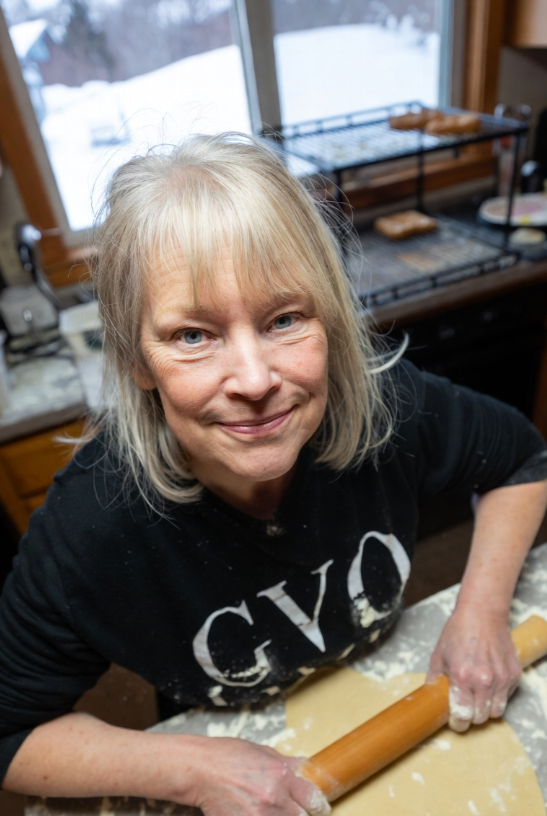
About the cook who shared this
Linda Johansson
Week 162 of Linda’s 30-year story
· Duluth, Minnesota
Linda is a sixty-three-year-old retired nurse from Duluth, Minnesota, living alone in the house where she raised her children and said goodbye to her husband. She lost Paul to ALS in 2020 after two years of watching the kindest man she'd ever known lose everything but his dignity. She cooks Scandinavian comfort food and Minnesota hotdish and the pot roast Paul loved, and she sets two places at the table out of habit because it makes her feel less alone. Every recipe she writes is a person she's loved.
