
 By
By The light is luxurious now — fifteen hours and growing, the sun up before 7 AM and refusing to set before 10 PM. Alaska in April is a state waking up with the enthusiasm of a person who's slept too long and is making up for lost time. The birds are back — the Arctic terns, the sandhill cranes, the flocks of snow geese that pass over Anchorage in V-formations so large they look like the sky is punctuated. The moose calves are dropping — new life, leggy and bewildered, following their mothers through neighborhood streets with the blind trust of creatures who don't know about cars or dogs or the many things in Anchorage that can kill them.
Spring energy. The ER shifts feel different — fewer dark-season depression cases, more outdoor injuries. Hiking falls, biking accidents, the annual wave of optimists who misjudge the terrain and underestimate the weather. The ER population shifts with the seasons, and the spring patients are bruised and broken from joy — from being outside, from trying, from the particular Alaskan enthusiasm that says "the sun is back, I'm going hiking" without checking the trail conditions or wearing proper boots.
I made escabeche this week — Filipino sweet and sour fish. A whole tilapia, fried until crispy, then topped with a sauce of vinegar, sugar, bell peppers, onions, and ginger. The fish sits on the plate with its mouth open, the sauce draped over it like a colorful blanket, the combination of crispy fish and sweet-sour sauce one of the most satisfying textural experiences in Filipino cooking. Crunch. Then sauce. Then the soft fish underneath. Three layers in one bite.
Lourdes makes escabeche with lapu-lapu — grouper — which you can't get in Alaska, so I use tilapia or rockfish or whatever's fresh at the fish counter. The adaptation is the tradition — immigrants cook with what's available, and the recipe adjusts, and the adjustment is not a compromise but an evolution. Lourdes used lapu-lapu because she was in Iloilo. I use tilapia because I'm in Anchorage. Someday, if I ever stand in a market in Iloilo, I'll use lapu-lapu, and the recipe will have traveled a full circle — from the Philippines to Alaska and back.
Someday. The Iloilo dream is still a seed. But seeds grow in the light, and the light is coming back, and I'm starting to believe that the seed might sprout. Not this year. Not next year. But sometime. The kitchen in Iloilo where the recipes started. I want to stand in it. The wanting is enough for now.
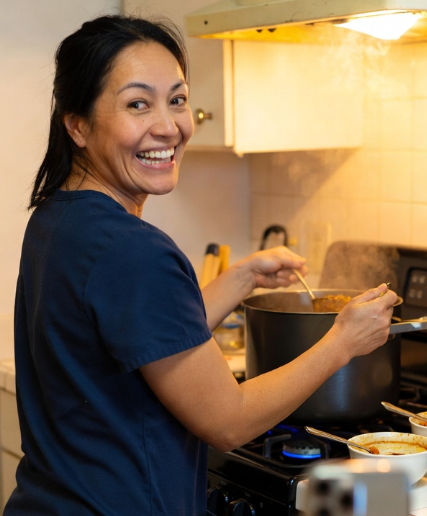
So here it is — the escabeche that got me through this week of returning light, of bruised hikers and leggy moose calves and fifteen hours of sun I’m still not used to after all these years. It’s Lourdes’s recipe adapted for my Anchorage kitchen, with tilapia standing in for the lapu-lapu I’ll use someday in Iloilo. Three layers in one bite — crunch, sauce, soft fish — and every single layer tastes like home, even when home is a place you haven’t been yet.
Filipino Escabeche (Sweet and Sour Whole Fish)
Prep Time: 20 minutes | Cook Time: 25 minutes | Total Time: 45 minutes | Servings: 4
Ingredients
- 1 whole tilapia (about 1 1/2 pounds), cleaned and scaled, with 3 diagonal slashes on each side
- 1 teaspoon salt
- 1/2 teaspoon freshly ground black pepper
- 1/4 cup cornstarch, for dredging
- Oil for frying (about 1 cup)
- 1 tablespoon vegetable oil (for the sauce)
- 1 medium onion, sliced into rings
- 1 red bell pepper, cut into thin strips
- 1 green bell pepper, cut into thin strips
- 1 medium carrot, cut into thin matchsticks
- 3 cloves garlic, minced
- 1 thumb-sized piece fresh ginger, peeled and cut into thin strips
- 1/3 cup white cane vinegar or rice vinegar
- 3 tablespoons sugar
- 1/4 cup ketchup
- 1 cup water
- 1 tablespoon soy sauce
- 1 tablespoon cornstarch mixed with 2 tablespoons water (slurry)
- 2 green onions, sliced, for garnish
Instructions
- Season the fish. Pat the whole tilapia dry with paper towels. Season inside and out with salt and pepper, then dredge lightly in cornstarch, shaking off excess.
- Fry the fish. Heat about 1 cup of oil in a large skillet or wok over medium-high heat until shimmering (350°F). Carefully slide the fish into the oil and fry for 5 to 7 minutes per side, until the skin is deep golden and very crispy. Transfer to a paper towel-lined plate and set aside on a serving platter.
- Start the sauce. In a separate skillet or saucepan, heat 1 tablespoon of vegetable oil over medium heat. Sauté the garlic and ginger for about 30 seconds until fragrant.
- Cook the vegetables. Add the onion rings, red and green bell pepper strips, and carrot matchsticks. Cook for 2 to 3 minutes, stirring frequently, until the vegetables are just tender but still have some crunch.
- Build the sweet and sour sauce. Pour in the vinegar, water, ketchup, sugar, and soy sauce. Stir to combine and bring to a gentle boil. Taste and adjust — add more sugar for sweetness or more vinegar for tang.
- Thicken the sauce. Give the cornstarch slurry a stir, then pour it into the sauce while stirring constantly. Cook for 1 to 2 minutes until the sauce thickens enough to coat the back of a spoon.
- Serve. Pour the hot sweet and sour sauce with all the vegetables over the crispy fried fish on the platter. Garnish with sliced green onions. Serve immediately with steamed white rice.
Nutrition (per serving)
Calories: 340 | Protein: 28g | Fat: 12g | Carbs: 30g | Fiber: 2g | Sodium: 620mg