
 By
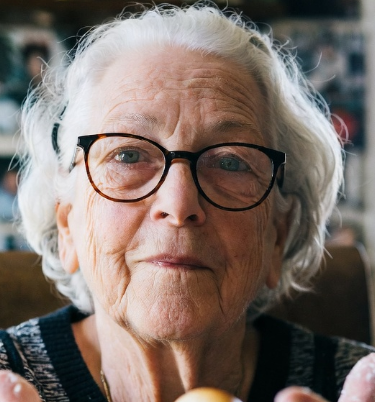
By Back to school. Year thirty-nine. The number edges closer to forty, which is a number that carries weight — four decades, an era, a geological age measured in lesson plans and red pens. I am not thinking about forty yet. I am thinking about thirty-nine, which is this year, which is now, which is the classroom I walked into on Tuesday morning with the same electricity I have felt every September since 1979: the hum of beginning.
New students. New faces. The same books. The juniors look young — they always look young, and every year they look younger, which is not a function of their age but of mine. At sixty, the seventeen-year-olds look like children. At twenty-two, when I started, they looked like almost-adults. The gap has widened. The gap will keep widening. But the books stay the same size, and the words stay the same weight, and the conversation that happens between a reader and a text does not age, and this is why I teach: the books are immortal. The teacher ages. The books do not.
I made the first challah of the school year on Friday. The school-year challah is different from the summer challah — not in recipe but in spirit. The summer challah is leisurely, braided on a Saturday afternoon with nowhere to be. The school-year challah is strategic, braided on a Friday between grading and dinner prep and the million small tasks that constitute a working woman's evening. I braid faster during the school year. The braid is tighter. The urgency is in the dough.
Ethan started preschool this week — his second year, now three and a half, a veteran of the drop-off. I did not drive to White Plains for this first day because it is the second year and the second year does not require grandmotherly attendance. I sent rugelach with David. This is sufficient. The rugelach carries my presence. The chocolate carries my love. The teachers will eat it and not know that the woman who baked it is standing in an Oceanside classroom fifty miles away, starting her own school year with her own students, connected to her grandson by butter and flour and the shared understanding that September is sacred.
The blog is entering its second full school year. I write on Wednesday evenings and Sunday mornings — the cracks in the schedule where the words fit. This week I wrote about September and the double life of a grandmother who teaches: standing in a classroom all day, thinking about literature, then standing at a stove all evening, thinking about soup. The two lives are parallel lines that meet at the table, where the literature and the soup converge, and the convergence is dinner, and dinner is the most literary event of the day.
I will not always have time for the full challah ceremony — the three-strand braid, the egg wash, the careful tuck of each end — and on those Fridays when the grading runs long and dinner will not make itself, this peasant bread is what I turn to instead. No kneading, no stand mixer, no ceremony: just a shaggy dough left to do its slow, patient work while I do mine. It comes out of the oven crusty and golden and smelling exactly like a Friday should, and it sits at the center of the table the way a good loaf always does — as proof that even a compressed, strategic, school-year evening still made room for something real.
Easy No-Knead Sourdough Peasant Bread
Prep Time: 10 minutes (plus 8–12 hours rise) | Cook Time: 45 minutes | Total Time: 9–13 hours | Servings: 10–12 slices
Ingredients
- 3 cups (360g) all-purpose flour, plus more for shaping
- 1/2 cup (115g) active sourdough starter, fed and bubbly
- 1 cup (240ml) lukewarm water
- 1 1/2 teaspoons fine sea salt
- 1 teaspoon honey or sugar
- 1 tablespoon olive oil, for the bowl
- Flaky salt and fresh rosemary, optional, for topping
Instructions
- Mix the dough. In a large bowl, whisk together the flour and salt. In a separate small bowl, stir the sourdough starter, lukewarm water, and honey until combined. Pour the wet mixture into the dry and stir with a wooden spoon or your hand until a shaggy, sticky dough forms — no kneading required. The dough will look rough; that’s exactly right.
- First rise. Coat a clean bowl lightly with olive oil and transfer the dough to it. Cover with plastic wrap or a damp kitchen towel. Leave at room temperature for 8 to 12 hours (overnight works perfectly — mix before bed, bake in the morning, or mix in the morning for a Friday evening loaf).
- Shape. When the dough has roughly doubled and looks bubbly, turn it out onto a lightly floured surface. With floured hands, fold the edges toward the center 4 to 6 times, then flip the dough seam-side down and gently shape into a round. Do not overwork it.
- Second rise. Line a medium bowl with a well-floured kitchen towel (or use a floured proofing basket). Place the dough seam-side up into the bowl. Cover and let rest for 1 to 2 hours, until noticeably puffed.
- Preheat. About 30 minutes before baking, place a Dutch oven with its lid inside the oven and preheat to 450°F (230°C). The hot Dutch oven is what gives this bread its crackling crust.
- Score and bake. Carefully remove the hot Dutch oven from the oven. Cut a piece of parchment paper to fit the bottom. Invert your dough seam-side down onto the parchment, then lower both into the Dutch oven. Score the top with a sharp knife or bread lame — one confident slash down the center is enough. Scatter flaky salt and rosemary on top if using. Cover with the lid and bake for 30 minutes.
- Uncover and finish. Remove the lid and continue baking for 12 to 15 minutes, until the crust is deep golden brown. The internal temperature should read 200°F to 210°F (93°C to 99°C) on an instant-read thermometer.
- Cool. Lift the loaf out using the parchment and transfer to a wire rack. Wait at least 20 minutes before slicing — the interior is still setting. This is the hardest part.
Nutrition (per serving)
Calories: 145 | Protein: 4g | Fat: 1g | Carbs: 29g | Fiber: 1g | Sodium: 290mg