
 By
By The ISFA work continues — another kitchen table this week, another young family with numbers that might work. I sat across from a couple in Polk County and laid out the grants and watched their faces change from fear to possibility, and the change is the thing I live for now.
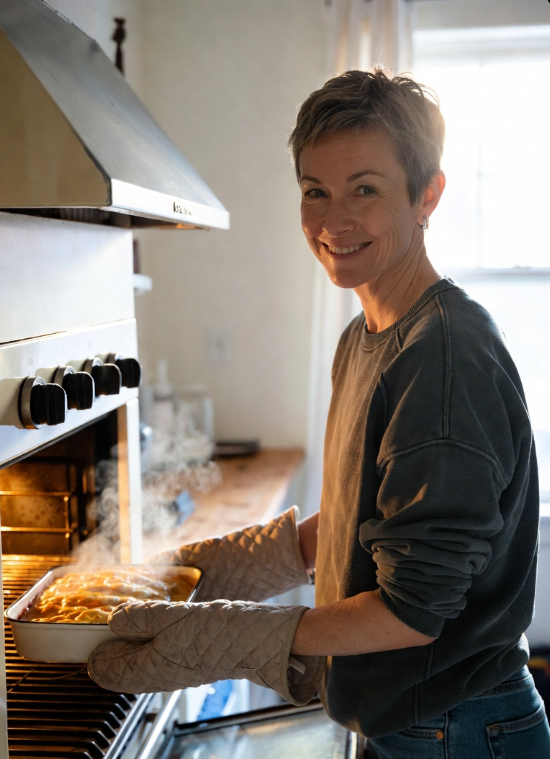
The recipe this week: cinnamon rolls extra frosting. Standing at the stove, Marlene's wooden spoon in my hand (the cracked one, the one that will outlast us all), the recipe either from the card box or from my own expanding collection, both equally real, both equally mine. The kitchen holds all of it — the old recipes and the new ones, the teacher's food and the student's food, the grief and the joy and the cinnamon. All of it. Always.
January. The real winter. Dark and cold, the wind off the prairie personal in its grudge. We endure with soup and blankets and the belief that spring comes eventually. I made bread — sourdough from the starter named Marlene, the bread rising in a warm kitchen while Iowa does its worst outside.
The bread was for the cold and the grief and the joy all tangled together — but on the nights when I didn’t have hours to tend a loaf, I needed something that could hold me just as well without asking as much of me. This farro — creamy, earthy, packed with white beans and kale — became that thing this January. It’s the kind of bowl that feels like it was made for sitting down after a long drive back from Polk County, for eating slowly, for remembering that nourishing yourself is part of the work too.
Creamy Farro with White Beans and Kale
Prep Time: 10 minutes | Cook Time: 35 minutes | Total Time: 45 minutes | Servings: 4
Ingredients
- 1 cup pearled farro, rinsed
- 1 tablespoon olive oil
- 1 medium yellow onion, diced
- 3 cloves garlic, minced
- 1/2 teaspoon crushed red pepper flakes
- 1/2 teaspoon kosher salt, plus more to taste
- 1/4 teaspoon black pepper
- 3 cups low-sodium vegetable broth
- 1 can (15 oz) white beans (cannellini or Great Northern), drained and rinsed
- 3 cups chopped lacinato (Tuscan) kale, stems removed
- 1/4 cup grated Parmesan cheese
- 2 tablespoons unsalted butter
- 1 tablespoon fresh lemon juice
- Lemon zest, for serving (optional)
Instructions
- Soften the aromatics. Heat olive oil in a large, heavy-bottomed pot or Dutch oven over medium heat. Add the diced onion and cook, stirring occasionally, until softened and translucent, about 5–6 minutes. Add the garlic and red pepper flakes and cook 1 minute more, until fragrant.
- Toast the farro. Add the rinsed farro to the pot and stir to coat in the oil and aromatics. Toast for 2 minutes, stirring frequently, until the farro smells slightly nutty.
- Simmer. Pour in the vegetable broth and add the salt and black pepper. Bring to a boil, then reduce heat to a gentle simmer. Cook uncovered for 25–30 minutes, stirring occasionally, until the farro is tender but still has a slight chew and most of the liquid is absorbed. Add a splash of water or broth if the pot looks dry before the farro is tender.
- Add beans and kale. Stir in the white beans and chopped kale. Cook for 3–4 minutes, until the kale is wilted and the beans are warmed through.
- Finish and season. Remove from heat. Stir in the butter, Parmesan, and lemon juice until the butter is melted and the mixture looks creamy and glossy. Taste and adjust salt as needed.
- Serve. Ladle into bowls and top with lemon zest and an extra grating of Parmesan if desired. Serve immediately.
Nutrition (per serving)
Calories: 390 | Protein: 16g | Fat: 11g | Carbs: 58g | Fiber: 10g | Sodium: 480mg