
 By
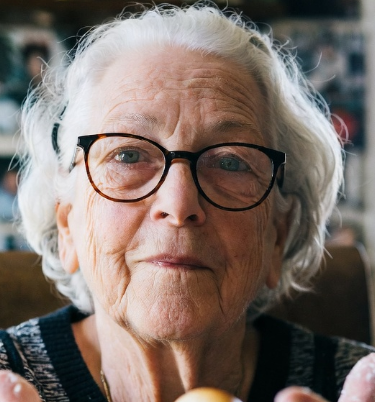
By I began the editing process with Rachel and the Knopf editor — a woman named Sarah Lieberman who is thirty-two and Jewish and from Brooklyn and who read the brisket chapter and called me to say, "Mrs. Feldman, I tasted my grandmother's brisket when I read this. How did you do that?" I said, "I wrote the truth. The truth tastes like brisket." Sarah laughed. Sarah is going to be a good editor. She understands that the book is not about recipes. The book is about the thing behind the recipes, the love behind the food, the women behind the love. She understands. The understanding is the collaboration.
The editing is demanding — Sarah wants more specificity, more sensory detail, more of the kitchen itself: the sounds, the smells, the physical weight of a pot on the stove, the temperature of the oven, the exact shade of golden that the challah reaches when it's done. I give her more. The more is available. The more has been stored for sixty-seven years, in my body, in my hands, in the memory of ten thousand meals cooked in this kitchen. The more is inexhaustible. The well is deep. Sylvia's kitchen goes all the way down.
I made the Thursday chicken — the anchor meal, the meal I have made for forty years, the meal that requires no decisions and no innovation and no more. Just: chicken. Lemon. Herbs. Heat. Time. The chicken is the rest between the editing and the writing, the simple meal after the complex work, the body's requirement for the uncomplicated after the mind's encounter with the demanding. The chicken was perfect. The editing continues. The body rests. The mind works. The balance holds.
Sarah Lieberman wants more of everything — more sensory detail, more specificity, more of the kitchen itself — and I give it, because the well is deep. But the body needs its rest between the giving, and that is where this recipe lives. I did not make the Thursday chicken the night I am writing this; I made its cousin — pork chops, apples, heat, time — because the principle is the same: a simple protein, a sweet softening beside it, an oven that does the work while the mind steps back. This is the meal that requires no decisions, only the knowledge that something uncomplicated is waiting when the demanding work is done.
Baked Pork Chops and Apples
Prep Time: 10 minutes | Cook Time: 45 minutes | Total Time: 55 minutes | Servings: 4
Ingredients
- 4 bone-in pork chops (about 3/4 inch thick)
- 2 medium apples, peeled, cored, and sliced (Granny Smith or Honeycrisp)
- 2 tablespoons olive oil
- 1 teaspoon garlic powder
- 1 teaspoon onion powder
- 1/2 teaspoon dried thyme
- 1/2 teaspoon paprika
- 1/2 teaspoon salt
- 1/4 teaspoon black pepper
- 2 tablespoons brown sugar
- 1/4 teaspoon cinnamon
- 1 tablespoon butter, cut into small pieces
Instructions
- Preheat. Heat your oven to 375°F. Lightly grease a 9x13-inch baking dish.
- Season the chops. Pat the pork chops dry with paper towels. Rub both sides with olive oil, then season evenly with garlic powder, onion powder, thyme, paprika, salt, and pepper. Arrange in a single layer in the baking dish.
- Prepare the apples. Toss the apple slices with brown sugar and cinnamon until coated. Scatter the seasoned apples around and over the pork chops. Dot the top with the small pieces of butter.
- Bake. Cover the dish tightly with foil and bake for 30 minutes. Remove the foil and continue baking for an additional 12–15 minutes, until the pork chops are cooked through (internal temperature 145°F) and the apples are tender and lightly caramelized at the edges.
- Rest and serve. Let the chops rest uncovered for 5 minutes before serving. Spoon the softened apples and pan juices over the top.
Nutrition (per serving)
Calories: 340 | Protein: 28g | Fat: 16g | Carbs: 18g | Fiber: 2g | Sodium: 370mg