
 By
By First full week of September. The light is changing. Hartford in early September has that particular gold light at 5 PM that means the fall is real even if the temperature is still summer. I sat on the back porch Tuesday at 5 PM with a glass of iced tea and I watched the light on the maple tree and I thought: I am fifty-seven, retired, and I am sitting in this light. This is an unearned gift.
The notebook has fifteen recipes now. Fifteen. I am writing one or two a week. I thought it would take me a year. It is going to take me less. The recipes are flowing out of me faster than I expected, because once I started I realized how many of them live in my body, wanting out. I am also writing essays in the margins — little stories about each dish, about who taught it to me, about when I last made it for whom. The notebook is becoming a memoir in disguise. I did not intend this. It is happening.
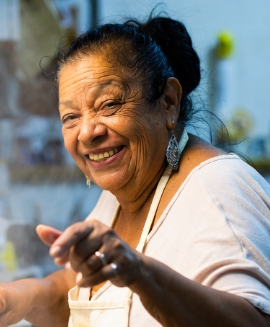
Mami is having a stretch of good days. Two weeks now of relative lucidity. I do not want to say it out loud because I am afraid to jinx it. But she has been sharp. She has been eating. She has been at our Sunday dinners with full conversation. She ate a full plate of asopao de pollo on Sunday and told me the recipe needed "more recao" — a micro-correction that proves she is herself — and I took the note and added it to the margin.
Thursday was our dictation session. She had me rewrite the caldo recipe — "your chicken broth should simmer for three hours, not two, the extra hour is the richness you cannot fake" — and she added a note at the end about when to feed caldo to people. "Feed caldo to: new mothers, new widows, sick children, sad friends, tired doctors, anyone who has walked into your house looking for the soft food. Do not feed caldo to a happy man; he does not need it. Feed him pernil. Match the food to the state of the person."
She dictated that whole passage. I wrote it all down. I read it back to her. She said, "That is a good paragraph, Carmen." I said, "Mami, you wrote it. I just took notes." She said, "Then we both wrote it. Delgado women at the same page." She smiled. She closed her eyes. She took a nap on her couch for an hour while I continued writing at her kitchen table. When she woke up she asked for coffee. I made it. She drank it slowly. The house was quiet. The afternoon was gold. Wepa.
Mami’s note about matching the food to the state of the person has been living in my head since Thursday — “Do not feed caldo to a happy man; he does not need it. Feed him pernil.” These are the best weeks we’ve had in a long time, and I wanted to cook something that honored that, something rich and a little celebratory without requiring a whole weekend. This balsamic glazed pork tenderloin is my weeknight answer to pernil energy — the same spirit of a Sunday table, the same pride in the cut, just ready before the gold light fades.
Balsamic Glazed Pork Tenderloin
Prep Time: 10 minutes | Cook Time: 30 minutes | Total Time: 40 minutes | Servings: 4
Ingredients
- 1 1/2 lbs pork tenderloin, trimmed of silver skin
- 1 teaspoon kosher salt
- 1/2 teaspoon black pepper
- 1/2 teaspoon garlic powder
- 1/2 teaspoon smoked paprika
- 1 tablespoon olive oil
- 3 cloves garlic, minced
- 1/3 cup balsamic vinegar
- 2 tablespoons honey
- 1 tablespoon Dijon mustard
- 1 tablespoon soy sauce
- 1 teaspoon fresh thyme leaves (or 1/2 teaspoon dried)
Instructions
- Preheat and season. Preheat oven to 425°F. Pat the pork tenderloin dry with paper towels. Mix the salt, pepper, garlic powder, and smoked paprika together and rub the mixture evenly over all sides of the tenderloin.
- Sear the pork. Heat olive oil in an oven-safe skillet (cast iron works well) over medium-high heat. When the oil shimmers, add the tenderloin and sear undisturbed for 2–3 minutes per side, turning to brown all sides, about 8 minutes total.
- Make the glaze. While the pork sears, whisk together the minced garlic, balsamic vinegar, honey, Dijon mustard, soy sauce, and thyme in a small bowl until combined.
- Glaze and roast. Pour the balsamic glaze over and around the seared tenderloin in the skillet. Transfer the skillet to the preheated oven and roast for 18–22 minutes, basting once halfway through, until an instant-read thermometer inserted in the thickest part reads 145°F.
- Rest before slicing. Transfer the tenderloin to a cutting board and let it rest for 5 minutes. Meanwhile, place the skillet over medium heat and simmer the remaining glaze for 2–3 minutes until slightly thickened.
- Slice and serve. Cut the tenderloin into 1/2-inch medallions. Arrange on a platter, spoon the thickened glaze over the top, and serve immediately.
Nutrition (per serving)
Calories: 290 | Protein: 36g | Fat: 9g | Carbs: 14g | Fiber: 0g | Sodium: 580mg